What bulk earthworks involve on civil and subdivision sites
Bulk earthworks form the foundation of many civil and subdivision projects. Before detailed construction can begin, large volumes of material may need to be excavated, moved, placed and shaped to create the required site levels and working platforms.
Understanding the main stages helps contractors and developers plan plant, access and sequencing more effectively. For project support, see our bulk earthworks service.
Bulk excavation and cut-and-fill work
One of the main functions of bulk earthworks is to reshape the site to suit the design. Cut areas are excavated where ground needs to be lowered, while fill is placed where levels need to be raised.
The balance between cut and fill can affect the amount of material that needs to be moved around the site or brought in from elsewhere. Good sequencing is important because earthmoving productivity can fall quickly when haul routes become congested or plant starts working against other site activities.
Material movement and stockpile management
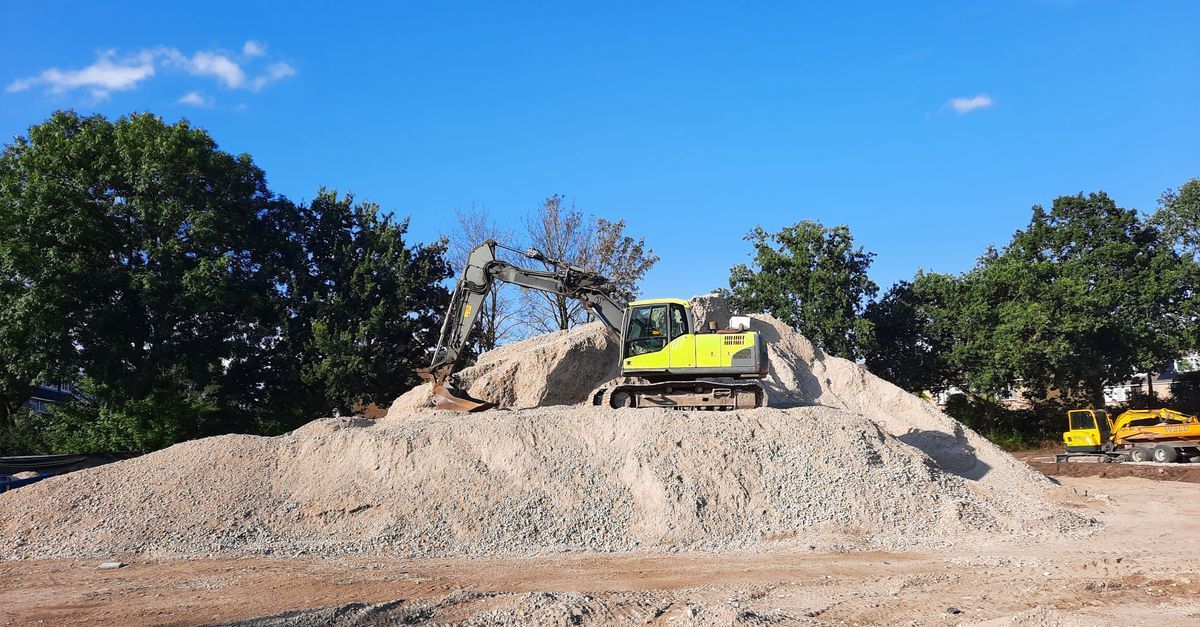
Bulk earthworks often involve more than digging. Material may need to be moved between different parts of a site, temporarily stockpiled or positioned so later stages can proceed efficiently.
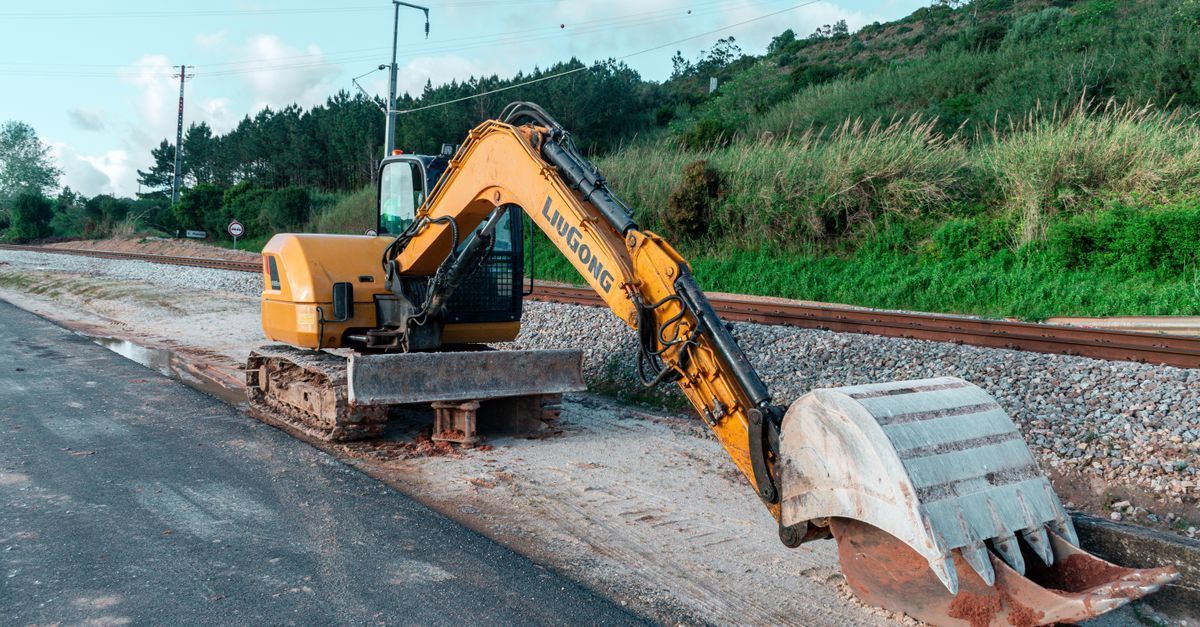
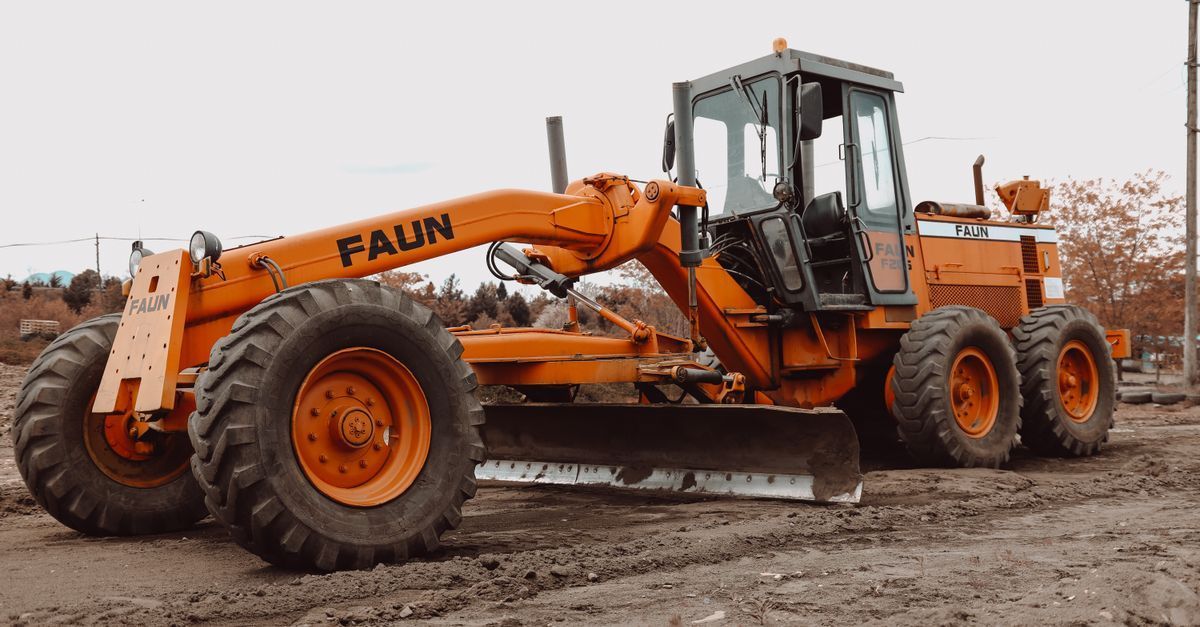
Excavators, graders and supporting plant need to work together with site access and haul routes in mind. Keeping material movement organised can reduce double handling and make it easier to maintain safe, workable areas for other contractors.
Formation and site preparation
Once the main excavation and fill stages are complete, the site moves toward formation. This is where the earthworks are shaped more closely to the required levels for roads, building platforms, hardstands or subdivision infrastructure.
Graders and GPS-equipped earthmoving plant can help operators maintain more consistent levels on suitable projects. The aim is to create a stable, well-shaped base that allows the next construction stage to proceed without avoidable rework.
Why the right plant mix matters
Heavy excavation may require larger machines for production, while grading, trimming and detailed areas may call for different equipment. Using one machine for every stage can reduce efficiency if it is not suited to the work.
A practical plant plan considers the quantities, ground conditions, access and programme. It should also account for how the project will transition from bulk production into more precise earthworks.
Bulk earthworks on subdivision projects
Subdivision sites commonly combine large-volume excavation with road formation, lot preparation, grading and detailed work. This means the bulk earthworks package needs to fit into a wider sequence rather than being treated as an isolated activity.
Planning ahead for the next stage can help reduce remobilisation and make better use of plant already working on the site.
Plan the earthworks package around the site programme
Bulk earthworks are most effective when quantities, haul paths, formation requirements and plant needs are considered together. Early planning helps contractors identify the equipment and operating capacity required before the project reaches peak production.
Explore our bulk earthworks capability or send through your project scope to discuss plant, quantities, timing and mobilisation.