KC Civil & Plant Hire • September 30, 2026

How GPS final trim supports accurate civil earthworks

Final trim is one of the last earthmoving stages before a formation is handed over for the next part of construction. At this point, the focus shifts from moving large volumes of material to achieving the required levels and surface shape as accurately as practical.

GPS machine control can support this process by giving operators better level information while they work. Learn more about our GPS final trim service for civil, subdivision and rail projects.

What final trim involves

Final trim generally follows the heavier bulk earthworks and formation stages. The operator refines the surface so it more closely matches the project design and is ready for the next construction activity.

Depending on the project, this can involve grading road formations, preparing subdivision areas or finishing earthworks around defined civil features.

How GPS machine control assists operators

GPS-equipped plant can provide operators with live information about machine position and target levels where a compatible project model is available. This can reduce reliance on repeated manual checks during suitable earthworks tasks.

The technology does not replace operator experience. It works as another tool that helps the operator understand where material needs to be cut, placed or refined as the machine moves across the site.

Reducing unnecessary rework

One of the practical benefits of machine control is the ability to work more consistently toward the required formation. Where levels are managed accurately during the trimming stage, there can be less need to repeatedly cut and replace material.

This is particularly useful on larger civil and subdivision sites where small level inconsistencies can accumulate across a broad working area.

GPS grader work and formation control

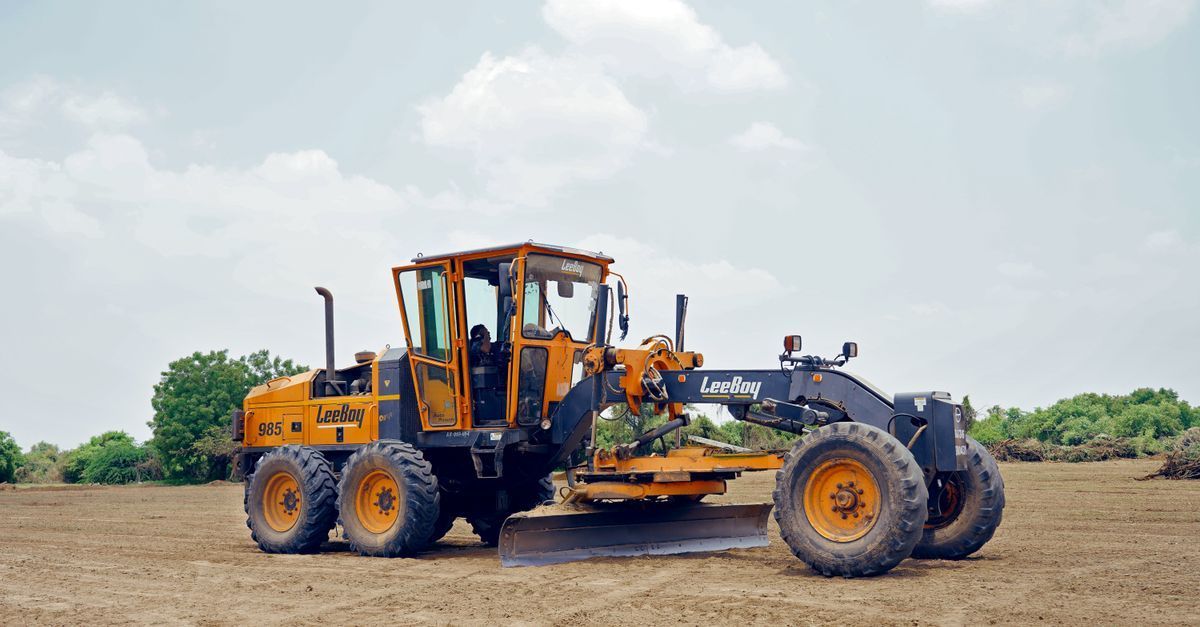
Graders are commonly used where broad, consistent surfaces need to be formed or trimmed. GPS capability can support the operator when refining road formations, site levels and other suitable earthworks areas.

The result still depends on the ground conditions, available design information and how earlier earthworks have been completed. Final trim works best when the preceding bulk and formation stages have been planned with the finishing requirements in mind.

Moving from bulk earthworks into finishing

Projects often lose time when there is a poor handover between production earthworks and final trim. Material may be left too high, too low or in locations that make finishing more difficult.

Using a coordinated earthworks approach can make the transition more efficient because operators understand both the production work and the final level requirements.

Plan GPS final trim before the finishing stage begins

Before final trim starts, contractors should confirm the project model, working areas, required levels and programme. This helps determine whether GPS-equipped plant is suitable and what equipment should be used.

Explore our GPS final trim capability or send through your project levels and timing to discuss the finishing requirements.

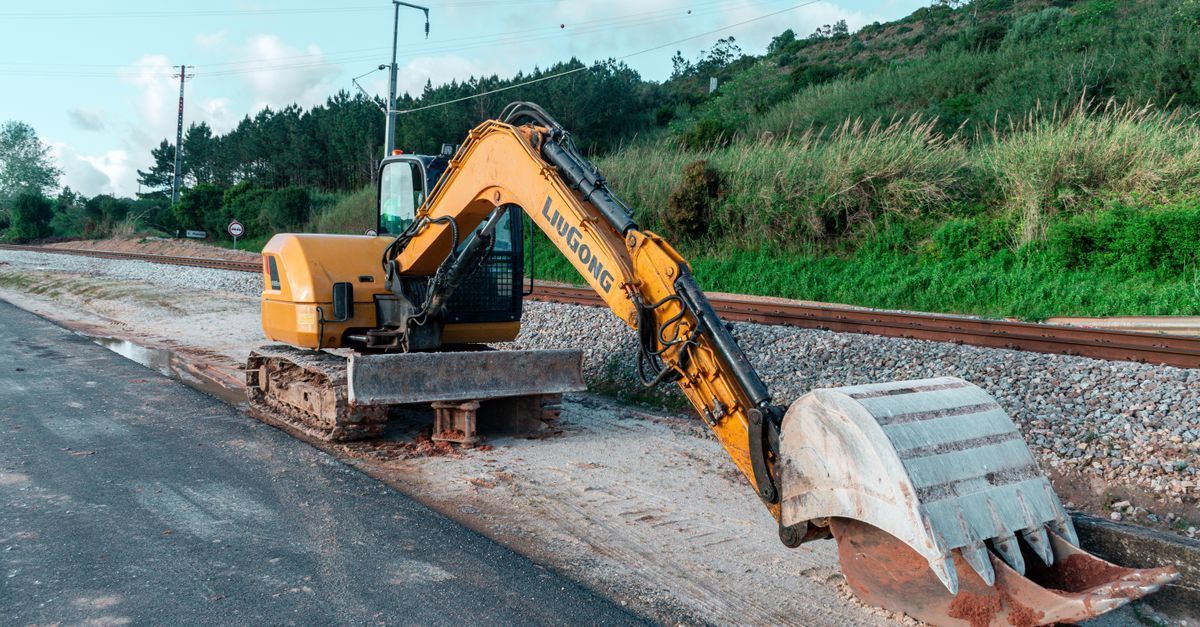
Yellow excavator on a roadside, digging dirt beside a green embankment.
By KC Civil & Plant Hire • September 30, 2026
Learn what to consider when planning rail earthworks, including formation, excavation, grading, plant access and programme coordination. Enquire today.
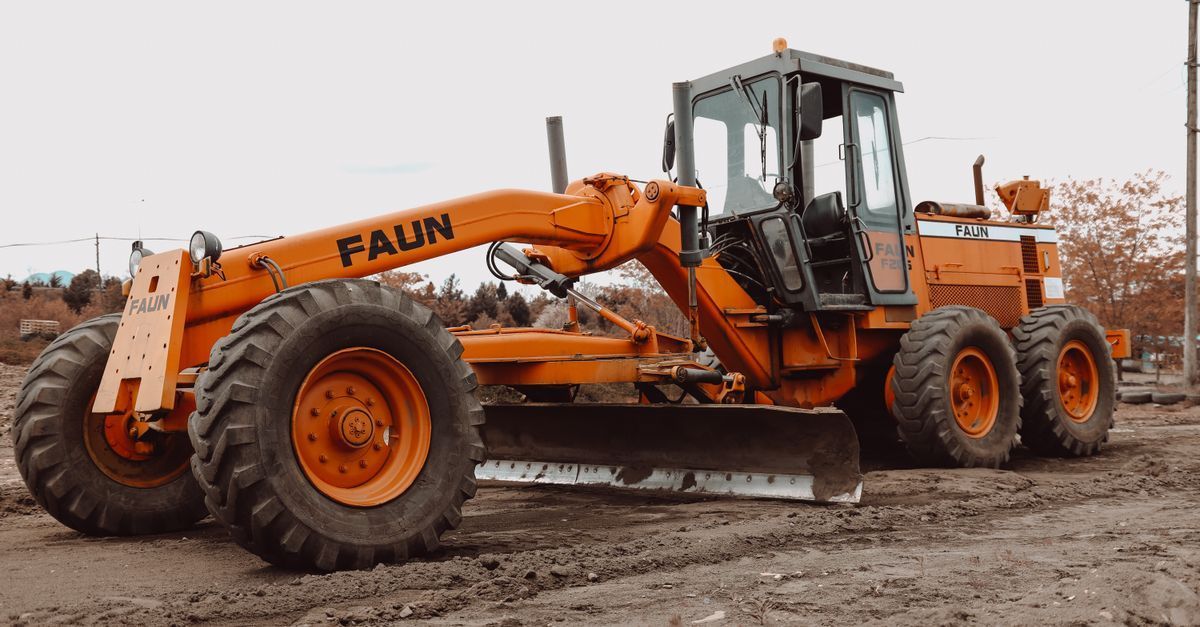
Orange road grader parked on muddy ground, with large black tires and enclosed cab
By KC Civil & Plant Hire • September 30, 2026
Learn the main stages of subdivision earthworks, including cut and fill, road formation, detailed excavation, grading and final trim. Plan your works today.