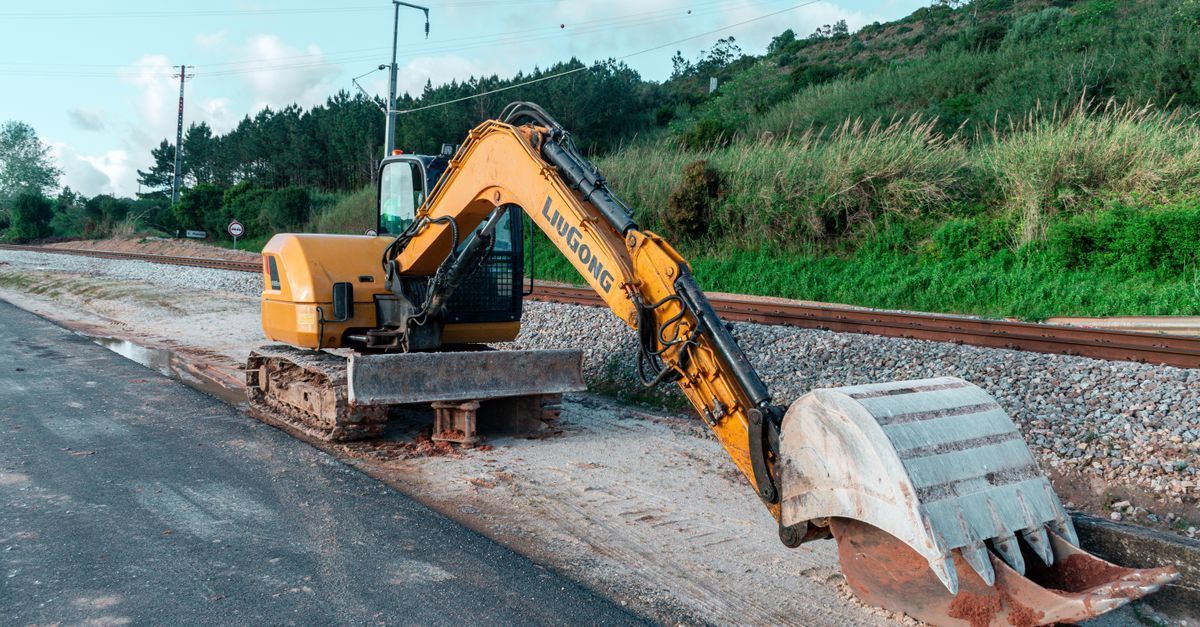
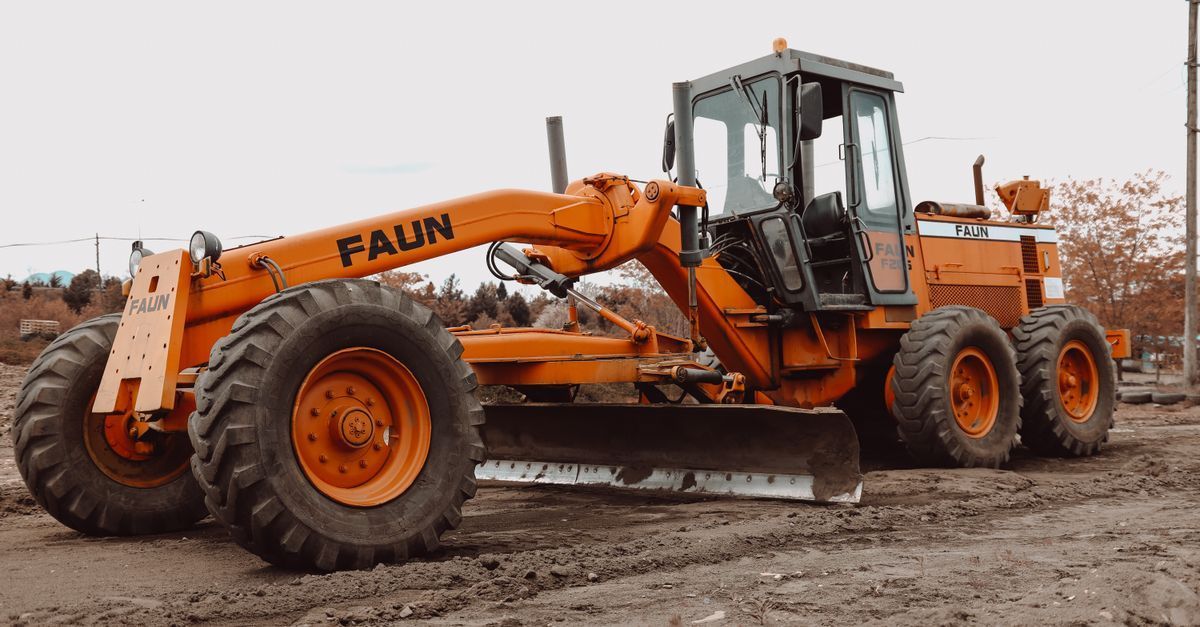
When detailed excavation is needed on civil projects
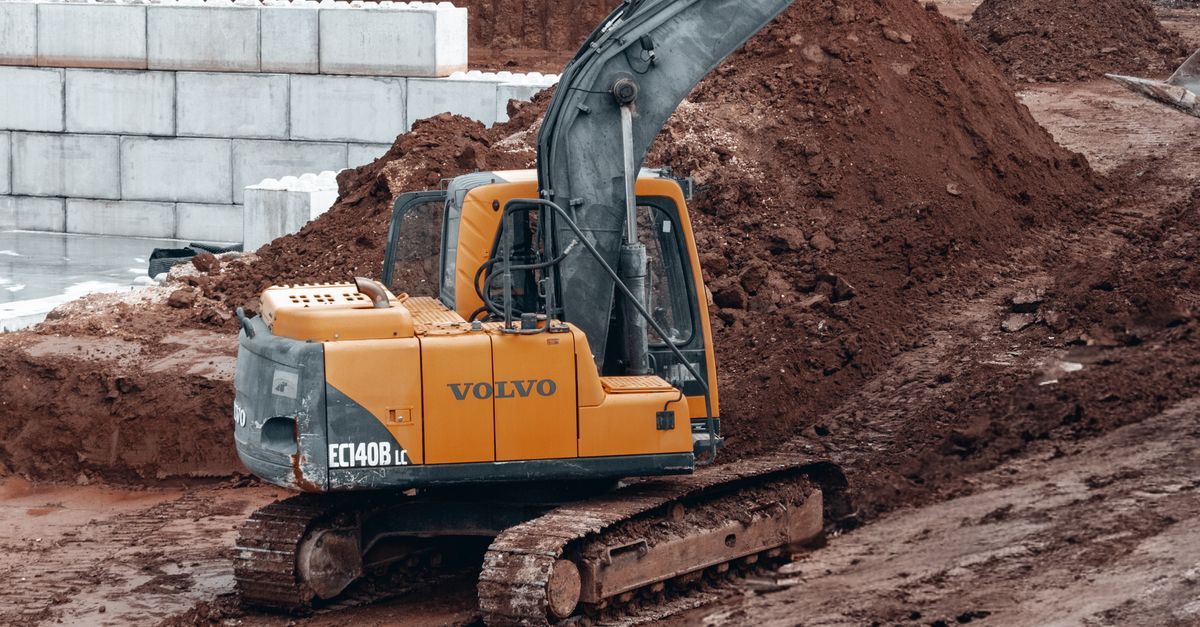
Not every excavation task is about moving large quantities of material. Many civil projects reach a point where machine work needs to become more controlled, particularly around structures, retaining walls, batters and other defined site features.
This is where detailed excavation becomes important. If your project is moving into this stage, review our detailed excavation service for the types of work the fleet can support.
What makes detailed excavation different
Bulk excavation focuses heavily on production and volume. Detailed excavation places more emphasis on working to specific dimensions, levels or site constraints while coordinating with the surrounding construction work.
The operator may need to work closer to finished levels, structures or other trades. Machine size, visibility, site access and operator judgement become increasingly important as the tolerance for unnecessary excavation reduces.
Retaining-wall excavation and preparation
Retaining walls often require controlled excavation to establish the required working area and formation. The excavation needs to suit the wall design and allow the following construction stages to proceed safely and efficiently.
Depending on the site, a smaller excavator may provide better access and control, while larger machines may still be required where substantial material needs to be removed before the detailed stage begins.
Structural and footing-related excavation
Civil and commercial projects can include excavation around structural elements, foundations and other defined features. These areas typically require more careful machine work than broad site excavation.
The objective is to remove the required material without creating unnecessary rework for the following trades. Clear site information and coordination with the broader project team are important before excavation starts.
Batters and formation shaping
Detailed excavation can also include shaping batters and refining formations after the heavier earthmoving stages. This work requires an operator to manage machine position, slope and level while maintaining a practical working surface.
GPS-equipped plant can support level control on suitable civil tasks, particularly where the project design has been set up for machine control. Operator experience remains important for interpreting site conditions and adjusting the work as required.
Choosing the right excavator size
A larger excavator can be useful when production remains important, but it may be less practical in tighter work areas. Smaller machines can provide improved manoeuvrability around structures and confined features.
Having access to multiple excavator sizes allows the plant to be selected around the scope rather than making the scope fit a single machine.
Plan detailed work before the site becomes congested
Detailed excavation is easier to deliver when access, drawings, levels and interfaces with other trades are reviewed in advance. Waiting until the site is congested can limit machine movement and make otherwise straightforward work more difficult.
See our detailed excavation capability or send through your drawings and project details so the required plant and timing can be reviewed.