What contractors should consider when planning rail earthworks
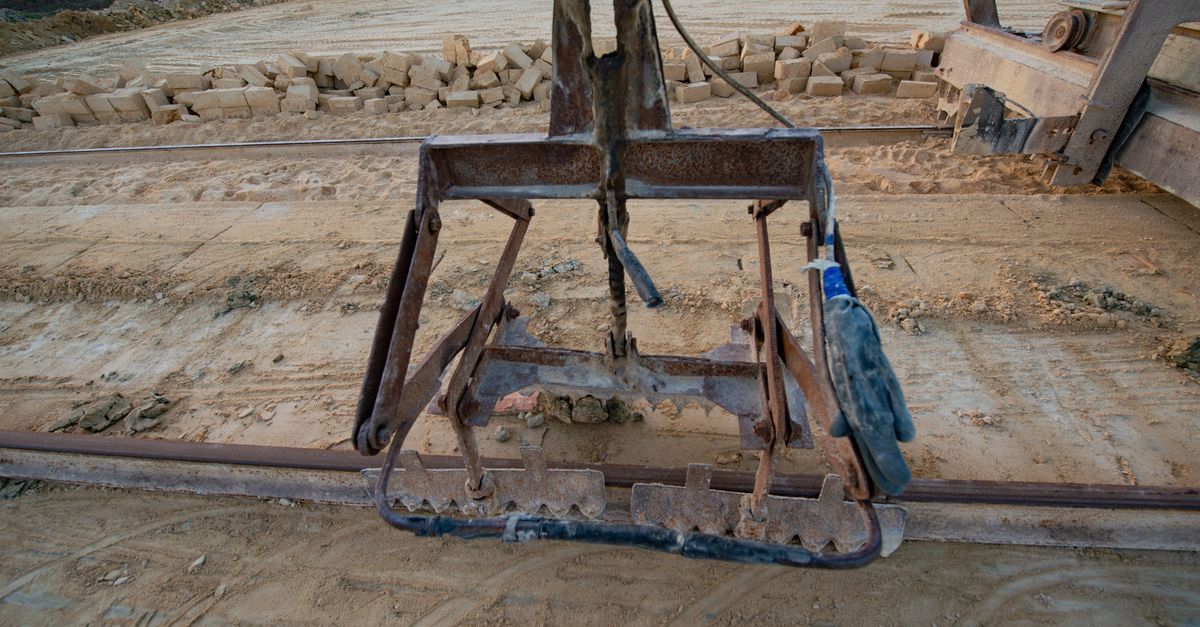
Rail earthworks often sit within a larger contractor-led programme, so planning needs to account for more than excavation alone. Formation work, grading, access, plant movements and coordination with other crews can all affect how efficiently an earthworks package is delivered.
For contractors preparing upcoming works in Central Queensland, our rail earthworks service supports excavation, formation, grading, trimming and wet-hire plant requirements.
Define the earthworks package clearly
Rail projects can include a mix of bulk earthworks, formation preparation, detailed excavation and finishing work. Defining the exact scope before mobilisation helps determine which machines are required and whether the work will be delivered as one continuous package or in separate stages.
Clear quantities, levels, access points and programme dates also make it easier to plan operator and plant availability around the broader construction sequence.
Match plant to production and access requirements
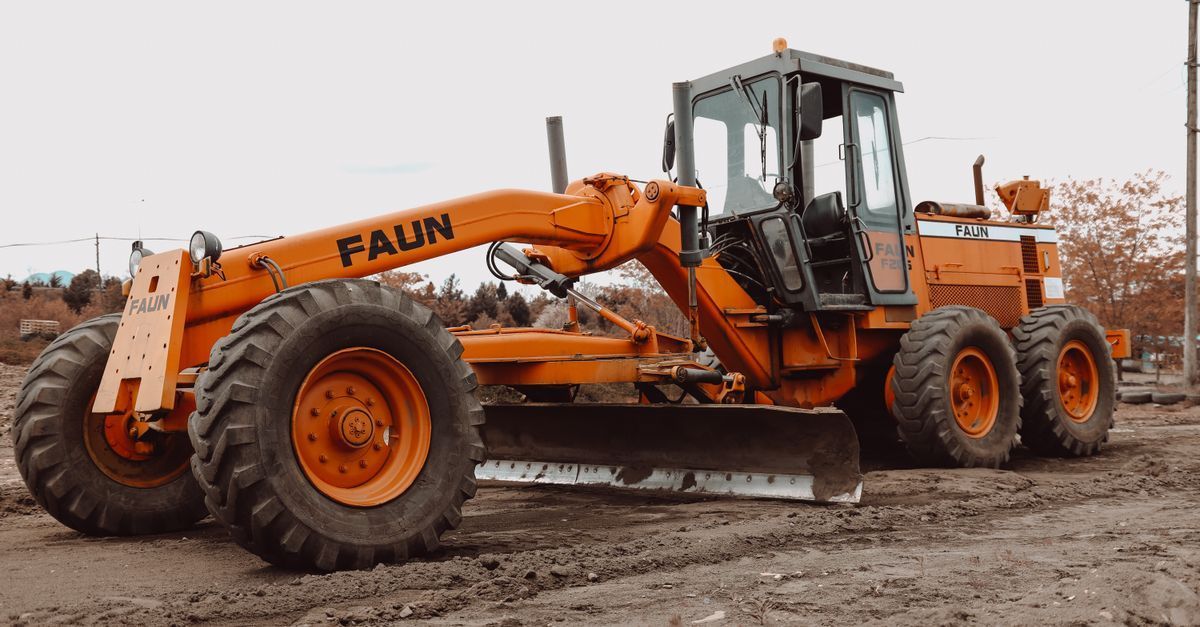
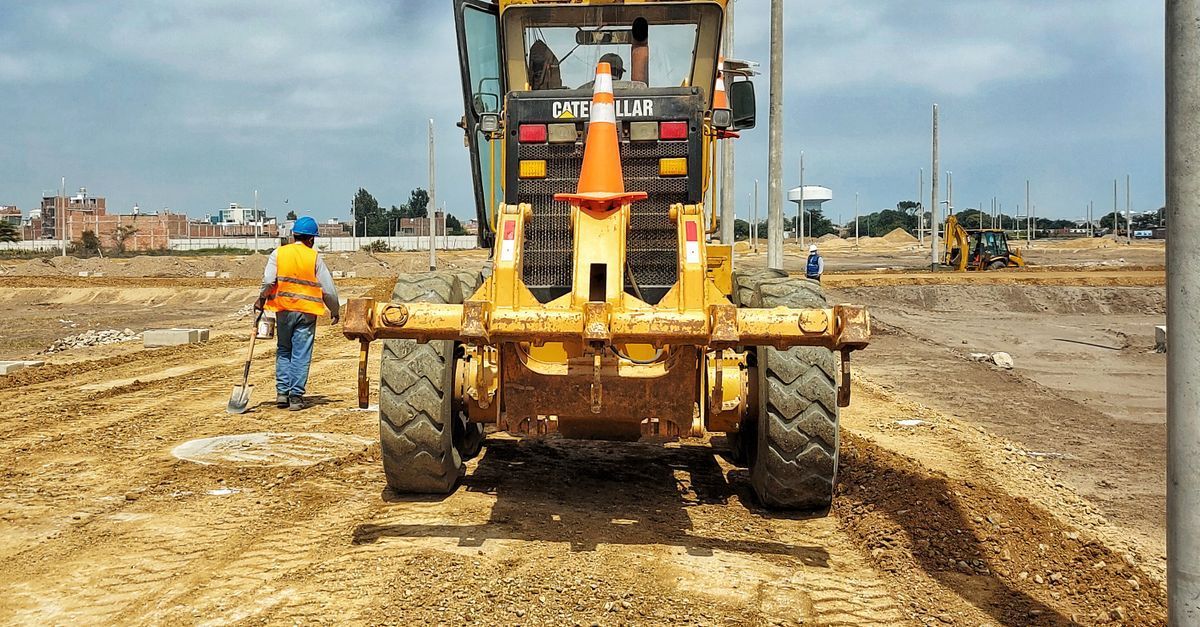
Large excavators can support heavier excavation and material movement, while smaller machines may be better suited to tighter or more detailed areas. Graders are useful for formation work and level control, and water truck support may also be required across broader earthworks operations.
The right plant mix depends on the work area, production expectations and how the site will be accessed during each stage.
Consider GPS capability for formation and trim work
GPS-equipped earthmoving plant can support operators working toward defined project levels on suitable rail and civil tasks. This can be useful during grading, formation shaping and final trim where level control becomes more important.
Machine control does not replace operator experience, but it can help reduce unnecessary rework when the project model and site setup are suitable.
Plan mobilisation around the project programme
Rail earthworks are often delivered within tight contractor programmes, so mobilisation needs to be coordinated with site access, shift requirements and other work fronts. Plant arriving too early can sit idle, while late mobilisation can affect following activities.
Providing the project location, expected start date, plant requirements and likely duration gives the earthworks contractor a clearer basis for planning the mobilisation.
Allow for changing site conditions
Earthworks packages can change as excavation progresses or as other contractors move through the site. Ground conditions, access constraints and programme adjustments can all affect the original work sequence.
A flexible wet-hire setup can be useful where the scope needs to shift between excavation, grading and detailed earthworks without bringing in a completely different crew for each task.
Coordinate earthworks with the wider construction team
Rail earthworks rarely operate in isolation. Interfaces with drainage, structures, access routes and other civil activities need to be considered so plant can move efficiently without disrupting surrounding work.
Regular communication between site supervision, operators and the broader project team helps keep the earthworks package aligned with changing priorities.
Set up the rail earthworks package before mobilisation
The strongest rail earthworks plans combine a clear scope, suitable plant, practical access and realistic programme requirements. Reviewing these details before mobilisation helps reduce avoidable downtime and makes it easier to support the project as conditions change.
Explore our rail earthworks capability or send through your package scope and timing to discuss plant, mobilisation and project requirements.