KC Civil & Plant Hire • September 30, 2026

What subdivision earthworks involve from cut to final trim

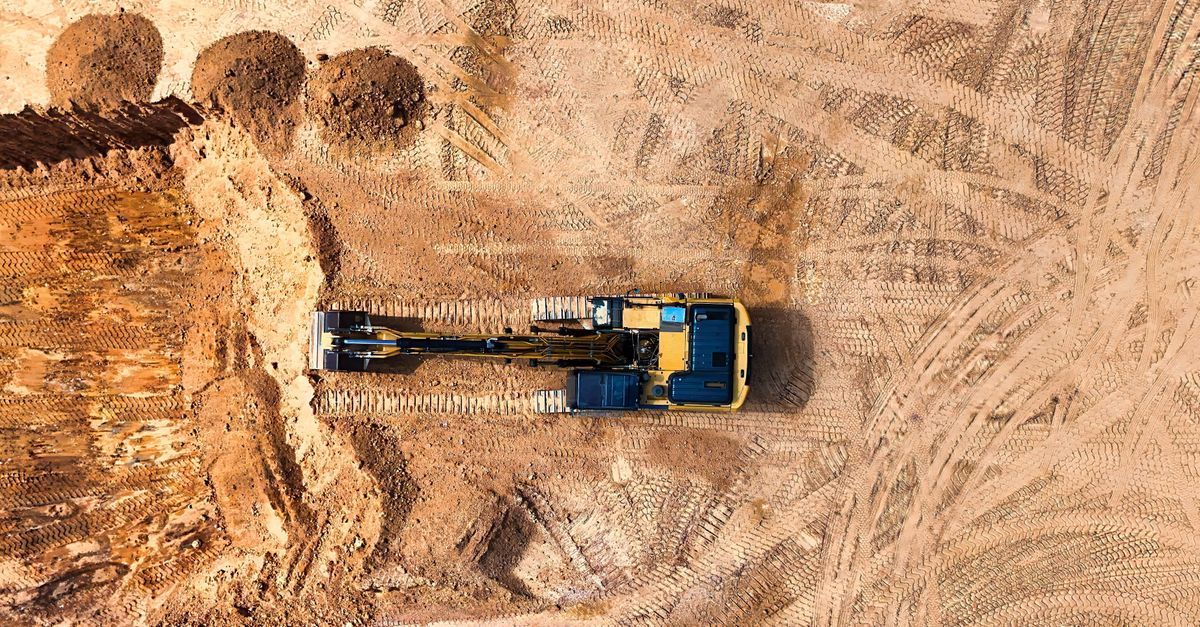
Subdivision earthworks involve a sequence of tasks that prepare a site for roads, lots and associated civil infrastructure. The work usually moves from broad production earthworks into increasingly detailed formation and finishing stages.

Understanding this sequence helps developers and civil contractors plan plant, access and programme requirements more effectively. See our subdivision earthworks service for the earthmoving stages the fleet can support.

Initial bulk cut and fill

The early stage often focuses on reshaping the site. High areas are cut down and suitable material may be moved into lower areas to establish the broad design levels.

This stage is heavily influenced by quantities, haul distances, ground conditions and available working space. Excavator capacity and efficient material movement are important because the production phase can affect every stage that follows.

Road and lot formation

Once the broad levels are established, the earthworks begin to define roads, lots and other areas of the subdivision more clearly. Grading becomes increasingly important as the site moves closer to required formation levels.

This is where coordination with the project design matters. Earthworks need to leave practical access for following trades while also progressing the site toward its final civil layout.

Detailed excavation around civil features

Subdivision projects usually contain areas that cannot be handled as bulk earthworks alone. Smaller or more controlled excavation may be needed around structural features, retaining walls or other defined elements.

Using different excavator sizes allows operators to match the machine to the task rather than trying to complete every stage with production-sized equipment.

Grading and level control

As earthworks progress, the focus moves toward more consistent levels across roads, lots and formations. A grader can be used to shape broader areas, while GPS machine control can support level accuracy on suitable projects.

Good grading also helps the site remain workable. Maintaining sensible surfaces and access routes is important while other contractors begin operating across the subdivision.

Final trim before the next construction stage

Final trim refines the earthworks to the required project levels before the next stage begins. This may involve grader work, GPS-assisted trimming or detailed finishing around specific civil areas.

The quality of earlier earthworks directly affects how efficiently final trim can be completed. A well-planned transition reduces the amount of material that needs to be reworked during finishing.

Plan the stages as one earthworks sequence

Subdivision earthworks are most efficient when bulk cut and fill, detailed excavation, grading and final trim are planned as connected stages. This makes it easier to select suitable plant and reduce unnecessary changes in mobilisation.

Review our subdivision earthworks capability or send your stage programme and site details to discuss the plant and support required.

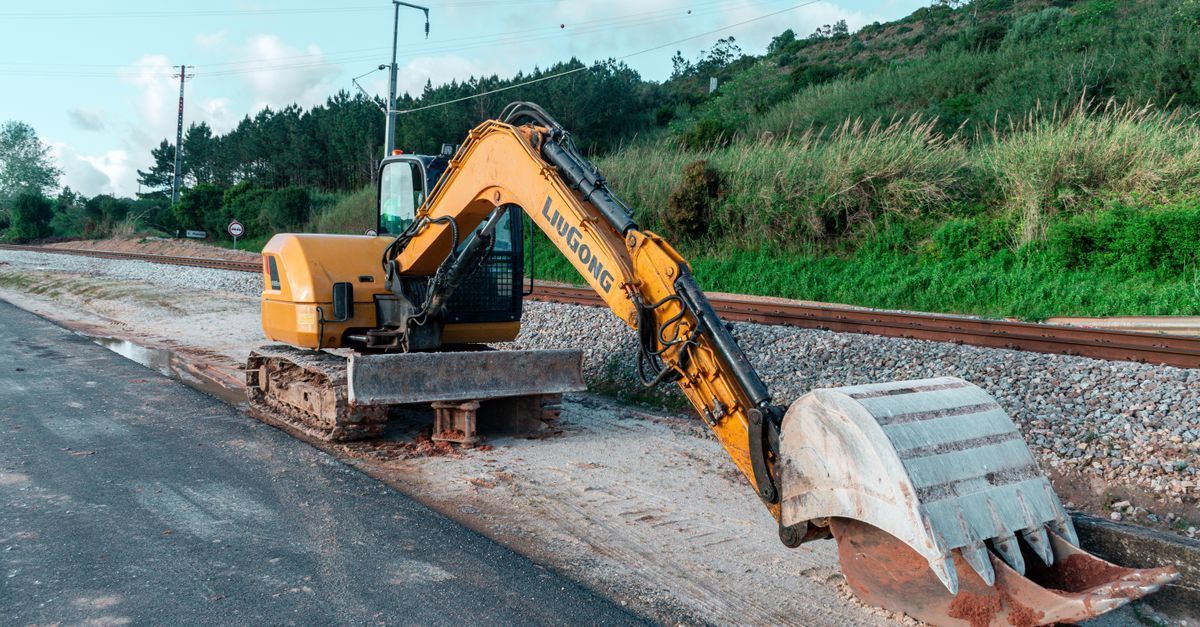
Yellow excavator on a roadside, digging dirt beside a green embankment.
By KC Civil & Plant Hire • September 30, 2026
Learn what to consider when planning rail earthworks, including formation, excavation, grading, plant access and programme coordination. Enquire today.
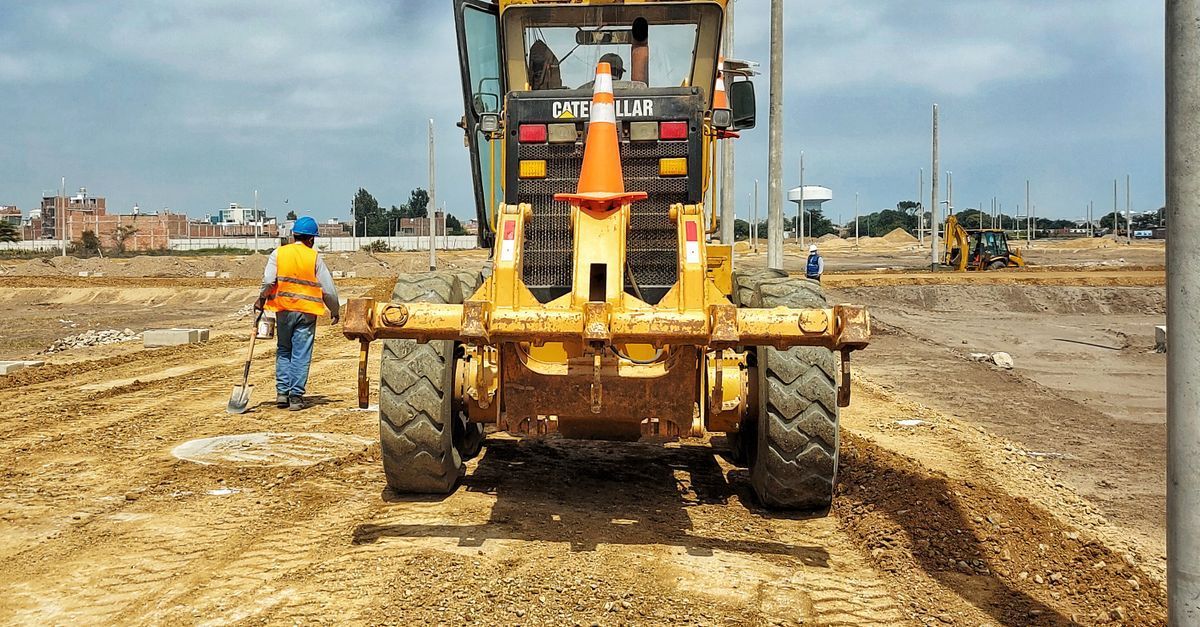
Construction workers and a yellow grader on a muddy road under development
By KC Civil & Plant Hire • September 30, 2026
See how GPS final trim supports grading, formation and level control on civil sites, helping operators work efficiently toward accurate project levels.