How to choose the right plant hire for a civil earthworks project
Choosing plant hire for a civil project is not just a matter of finding the biggest machine available. The right combination of equipment, operator capability and site planning can make a significant difference to how efficiently earthworks progress. For contractors and developers, it is worth considering the whole scope before locking in plant.
If you are planning civil earthworks in Rockhampton or across Central Queensland, explore our plant hire options or send your project details through the contact page so the required plant can be reviewed against the job.
Start with the actual earthworks scope
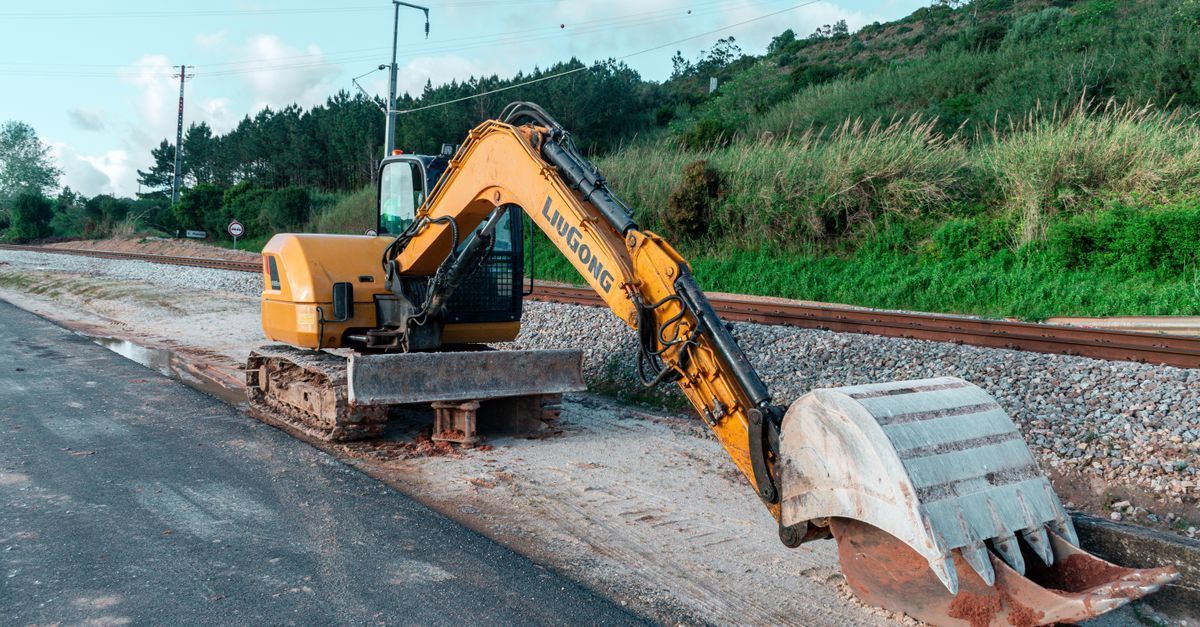
Different stages of a project can require very different machines. Large excavators may be suited to bulk excavation and material movement, while a smaller excavator can be more practical for detailed work around structures, retaining walls or tighter site areas.
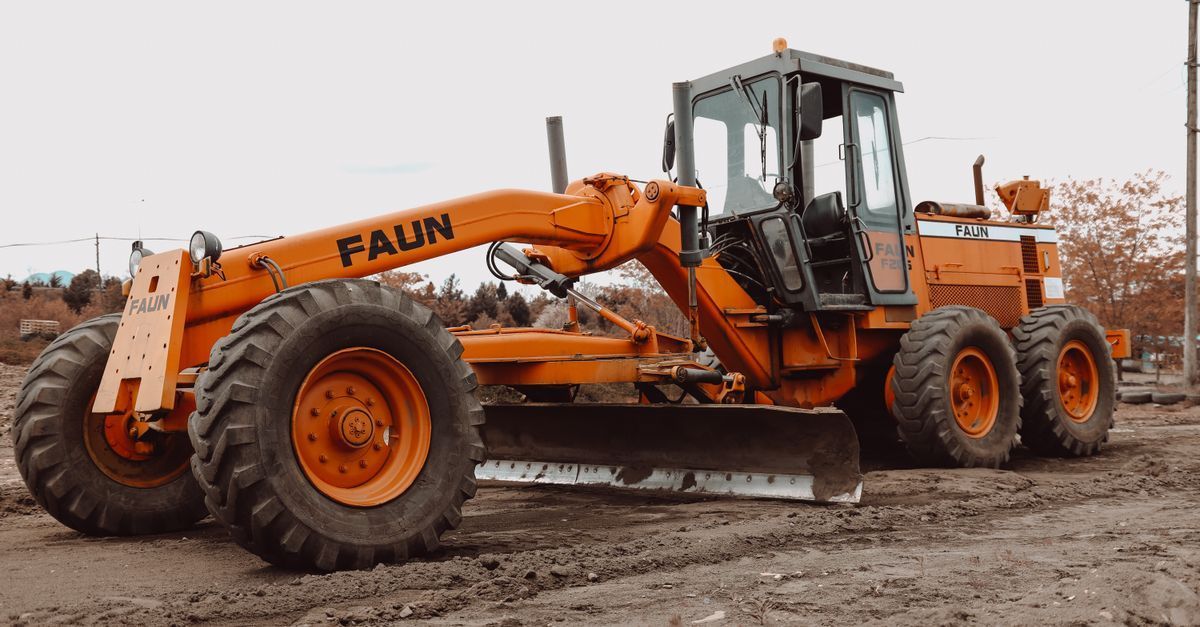
A grader may become more important once the project moves into formation and final levels, while a water truck can support broader earthworks operations. Looking at the complete sequence of work helps avoid hiring plant that is poorly matched to the task.
Consider wet hire when operator experience matters
Wet hire combines the machine with an operator. This can be particularly useful on civil sites where productivity depends on someone who understands earthmoving sequences, site coordination and how to work around other contractors.
Operator experience can also matter when the work shifts between bulk excavation, detailed earthworks and final trimming. A capable operator can adapt the machine to the changing requirements of the site rather than treating every stage as the same task.
Match machine size to access and production needs
Large machines can provide strong production capacity, but they are not automatically the best choice for every site. Access, working room, haul paths, nearby structures and the type of excavation all affect which machine size is practical.
For example, a 35 tonne excavator may suit heavier production work, while a 20 tonne or 6.5 tonne excavator can be a better fit for other stages. Selecting equipment around the actual site conditions usually produces a more workable plant plan.
Look at GPS and machine-control capability
GPS-equipped earthmoving plant can support more consistent level control on suitable civil projects. Machine control is particularly useful for grading, formation work and final trim where operators are working to project levels.
It does not replace good planning or operator judgement, but it can help reduce unnecessary rework and make the transition from production earthworks to finishing more efficient.
Plan mobilisation before the start date
Plant availability is only one part of mobilisation. Contractors should also consider transport requirements, site access, expected duration, shift structure and whether the machine will be required continuously or only for a defined package.
Providing the project location, required plant, expected start date and main earthworks tasks early makes it easier to assess whether the proposed hire arrangement is suitable.
Choose plant around the project, not the other way around
The most effective plant hire decisions start with the scope, site conditions and programme. Machine size, operator experience, GPS capability and supporting equipment should then be matched to those requirements.
Review the available civil plant hire service, or contact the team with your project location, timing and plant requirements to discuss a suitable setup.